
‘He was telling the truth’: The queer Zimbabwean artist whose music outlived him

- Charles TJ built a following by singing openly about what it means to be gay in Zimbabwe. He died at 28 this February, weeks before his debut album was set to drop.

Image Description: A young man stands on a quiet street, holding a microphone with both hands. A soft glowing soundwave passes across his chest, suggesting music or a voice. A few blurred figures stand behind him, watching from a distance.
Charles TJ completed what he called his “life’s work”—his debut album, Unmuted—earlier this year. The project, a bold and deeply personal body of work addressing discrimination, mental health, faith, and the longing for acceptance, came from a place of pain.
“He was nervous but excited,” says Nyasha, an activist and friend. Charles TJ, a queer activist and storyteller, knew the album would shake people. “He wanted it to start conversations.”
But that moment never came.
A few weeks before the album release, Charles TJ died suddenly on 19 February 2026. The circumstances surrounding his death remain unclear, leaving friends, fans, and the wider community in shock and mourning.
Born Tafadzwa Charles Jaera, 28-year-old Charles TJ was soft-spoken offstage but fearless behind a microphone. He was not just another aspiring artist chasing fame; he was a storyteller, an activist, and, for many within Zimbabwe’s marginalised LGBTQI community, a symbol of courage. Through his music, he spoke openly about identity, rejection, love, and resilience in a society where such conversations are often whispered, if they are spoken about at all.
Friends who witnessed him start writing songs say his journey into music was born out of pain. Growing up, Charles TJ faced isolation—even within his own family—after coming out as gay in his late teens. Music became his refuge. What began as scribbled lyrics in a worn notebook soon evolved into powerful songs recorded in makeshift studios with borrowed equipment.
Over time, his sound matured into a fusion of Afro-soul and spoken word, layered with raw emotion and unapologetic honesty. Tracks like “Ndinorarama Zvinofadza Ini” (“I Live My Life the Way That Pleases Me”) resonated deeply with young people navigating identity in silence. Though he remained largely underground, his following grew steadily through word of mouth and social media.
Vigils held in his memory were marked not only by grief but also by quiet defiance. His songs, shared widely after his passing, began reaching audiences far beyond what he had imagined in his lifetime. In death, his message found an even louder echo.
“He was someone who liked to express his feelings and pains through music,” says one of his best friends, Primrose Kavhumbura. His songs include “Ndaiti Ndamuwana” (“I Thought I Had Found the One”), in which he laments the loss of a partner who was allegedly snatched by a non-queer girl who later married him, leaving him heartbroken. In another song, “Rudo Rwenyu” (“Your Love”), he reflects on the love of God, describing it as unconditional and free from discrimination.
“In the song ‘Ndinorarama,’ he was telling the world that he was who he was and that could not be changed, and that people should accept him just the way he was,” Kavhumbura explains.
She adds, “His music helped others in the LGBQT+ community understand that everyone with a story should tell it — that it is good to find a way of saying it out to people for the sake of your mental health.”
Kavhumbura further notes that Charles TJ’s music helped queer people deal with the many challenges they faced, including depression, trauma from harassment and stigmatisation. In the absence of laws protecting their interests, she says, many found solace in his music.
“He used to say, ‘If they won’t listen to us in conversation, they will hear us in song,’” she recalls.
Charles TJ, she says, was friendly to everyone, especially those who understood his struggles in life, including the pain of being rejected by his father because of his identity, which made him very emotional.
“At times he would show signs of depression, and sometimes he would just vent at those who failed to understand his life journey,” she says.
Tsitsi Ndabambi of the Southern Africa Intersex Forum, who worked with Charles TJ at Mabelreign Clinic under Pangaea Zimbabwe Aids Trust (PZAT), says they invited the artist to perform at their school’s festival in September.
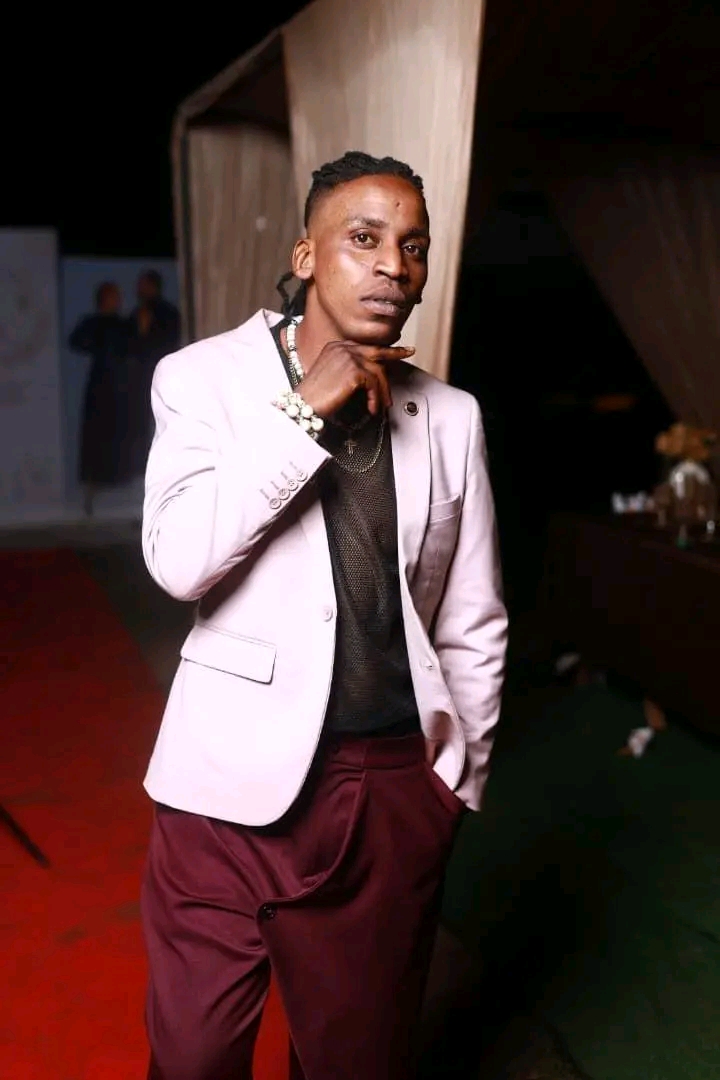
She notes the musician endured strained family relationships because of his sexuality but loved his mother so much.
“All I know is that he didn’t stay with his parents because his father wasn’t okay with his sexuality,” she says. Ndabambi adds that, socially, Charles TJ was quite a character.
“Well, it’s common knowledge that he was dramatic and liked gossiping,” she recalls. “Also, I once went with him to Kenya for an Intersex workshop. It was his first time flying. He loved his mum a lot, so did a lot of shopping for her.”
Activists say Charles TJ’s story reflects the struggles many LGBTQI individuals face — battles with rejection, invisibility, and the emotional toll of living authentically in an often unaccepting environment. Yet they also point to his courage as a reminder of the power of art to challenge norms and inspire change.
“It takes a lot of courage to achieve a feat like the one Tafadzwa did, especially in a country where being different is viewed as taboo and evil. Despite all odds, he stood up and made his voice heard,” says Nyasha.
Though his life was cut short, Charles TJ’s voice endures — woven into melodies that refuse to be silenced and into a movement still finding its rhythm.
Gays and Lesbians of Zimbabwe (GALZ) Information and Communications Officer Tanatswa Gumbo says the organisation is not in a position to disclose or comment on matters relating to Charles TJ’s personal life, including who he may have dated.
“We also do not keep records of individuals’ private relationships, and we believe such matters should be treated with the utmost respect for privacy,” Gumbo notes. “Similarly, we are unable to interpret or analyse his music through that lens, as such perspectives are deeply personal and subjective. Any decisions around supporting or promoting artistic work would depend on a range of factors and appropriate consultations.”
Zimbabwe’s Intersex Community Trust, in a statement following his passing, noted TJ’s contributions as an “intersex voice” that brought “warmth, laughter, and light” to the community.
In Zimbabwe, male same-sex sexual activity is criminalised under the Criminal Law Code, often referred to as “sodomy laws,” with penalties including fines or up to one year in prison.
The law is broad and vague, meaning that even non-sexual behaviour, like public displays of affection can sometimes be targeted.


Being gay as an identity is not directly illegal. However, acting on that identity, especially for men, can be criminalised, while the country’s 2013 Constitution explicitly prohibits same-sex marriage.
There are no strong legal protections against discrimination based on sexual orientation. As a result, people may face discrimination when seeking jobs, housing, healthcare, and other public services.
The government has historically taken a strongly anti-LGBTQ+ stance, often framing LGBTQ+ rights as “un-African.” The late former President Robert Mugabe, a fierce critic of the LGBQTI community, once described gay people as “worse than pigs and dogs.”
However, the current government has preferred silence on the issue, although there have been discussions about legislation that would prohibit the “promotion” of LGBTQ+ rights, which could further restrict activism and freedom of expression.
Within many communities, LGBTQ+ people continue to face harassment and violence, family rejection, blackmail, and extortion. Cases of arrests and abuse still occur, even when people seek protection.
Social attitudes are generally conservative, making it difficult for people to be open about their identity. While LGBTQ+ organisations exist, they operate under social pressure and legal restrictions.
The situation for LGBTQ+ rights in Zimbabwe is generally more restrictive than in several other countries in the Southern African Development Community (SADC), but the region itself is a mixed bag, ranging from highly progressive legislations to those that still criminalise same-sex relationships.
Brave Records producer Brighton Tafadzwa Tapfumanei, who recorded Charles TJ’s music, says they are contemplating releasing the album posthumously, including the final songs he recorded.
“When we did the last two songs he was complaining that he wasn’t feeling well, but we thought it was just a passing phase and that we would go on and release the album,” he says. “So if there is someone to push the songs on his behalf, we will release the album and engage people with large followings to market the music.”
Tapfumanei says the musician had started his music career way back in 2018. “He started singing at the Glad Tidings Church but later decided he wanted to do secular music. He had done many songs but the launch of his album was being delayed by lack of funds. At one point he had opted to do singles while mobilising funds for the compilation and launch of the album.”
“We owe it to him,” Nyasha says. “He didn’t just make music; he was telling the truth. And the truth deserves to be heard.”
Edited/Reviewed by, Caleb Okereke, PK Cross, Kenneth Awom, and Uzoma Ihejirika.
Illustrated by: Rex Opara
